Rebel Philosophy
Our philosophy: from the field to the grill
Being as authentic as our products: working with, and promoting the sustainable consumption of, quality local produce.
As we say on the menu
The Rebel Pigs is born with the idea of providing the best possible meat product, made by meat lovers for meat lovers.
To avoid becoming, as our grandmother used to say, a “jack of all trades, master of none”: all our main dishes are meat.
The origin
From extensive farms
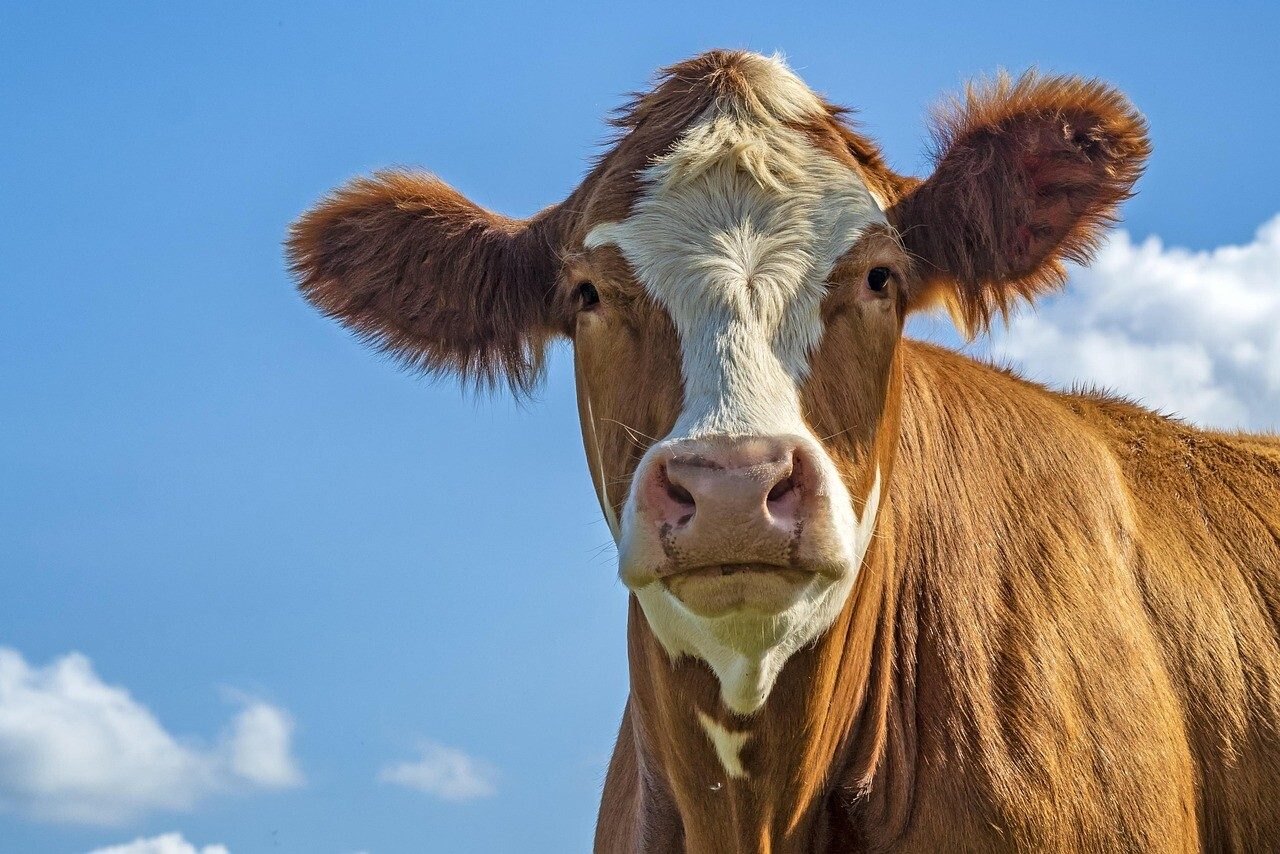
We work with beef from mature cows raised on extensive farms. Animal welfare is essential to our selection: we do not use veal or cattle from intensive farms.
Our selection rotates between breeds and origins, from Spain and other European countries. Availability changes with the cuts we choose at any given time, always guided by quality.
- Mature cows
- Extensive farming
- No veal
Three cuts, three criteria
Chuletón, wagyu and ribeye
Chuletón
The chuletón
We work with many breeds in rotation, according to season and availability. There is no single chuletón breed.
Wagyu
Wagyu loin
We only work with the loin — both lomo alto and lomo bajo — of A5 wagyu from the Hida protected origin, in Japan. We do not work with any other cut of wagyu.
Ribeye
Japanese-style ribeye
A different cut from the chuletón and from the wagyu loin. It is our most popular dish: you choose your piece from the day’s selection.
Chuletón breeds we work with
- JerseyDenmark
- SimmentalMainly Germany or Poland
- Cachena, Barrosa, Rubia gallega, Bruna de los Pirineos, Sayaguesa…Spain
- MontbéliardeFrance
Among others, according to season and availability.
The craft
How we work with the chuletón
This is how we care for it, from the cut to the table.
We choose the cut
We choose the loins for breed, origin, size and quality: mature, older cows, raised in freedom. Only fresh meat, never pre-aged.
We age it to measure
We age it here, to measure: each piece gets the time it needs, according to the fat, the marbling and the size. Up to 90 days; it goes on sale when it is ready. More on that just below.
We cut
We cut it to order and, whenever possible, without touching the bone, for a cleaner cut.
We bring it to temperature
Before the grill, it comes to temperature for at least twenty to thirty minutes, in an area beside the grill.
On the grill
We cook it on a volcanic stone grill. More on that just below.
Rest and carving
When it reaches the right point, we let it rest so the juices stay inside. It is carved and brought straight to the table.
The time
Each chuletón, its own ageing
We see the ageing of the chuletón as a way to bring out each piece’s own flavour. We look for the point that lets you taste its original character, without the flavours of ageing taking over.
That is why we treat every chuletón individually, adjusting the times to its breed, origin, size and characteristics. We do not go in for very long ageing: ours rarely exceeds 90 days.
At the restaurant we have a display ageing chamber, visible from the street and from inside the dining room.
One example of that adjustment: in the group menu, the mature-cow bone-in rib steak from Galicia–Portugal is gently aged for 40 to 60 days, to respect the meat’s natural flavour.
Tailor-made ageing for each chuletón; rarely more than 90 days.
How we cook
Volcanic stone grill
We cook the meat on a volcanic stone grill, which holds the heat and spreads it evenly: it sears each piece without flare-ups, leaves a toasted crust and a juicy inside, and lets the excess fat drain away.
The only smoke that reaches it is the gentle smoke from the meat itself, with no wood or charcoal aromas, because we want what you taste to be the meat and nothing else.

The land
The vegetable garden counts too
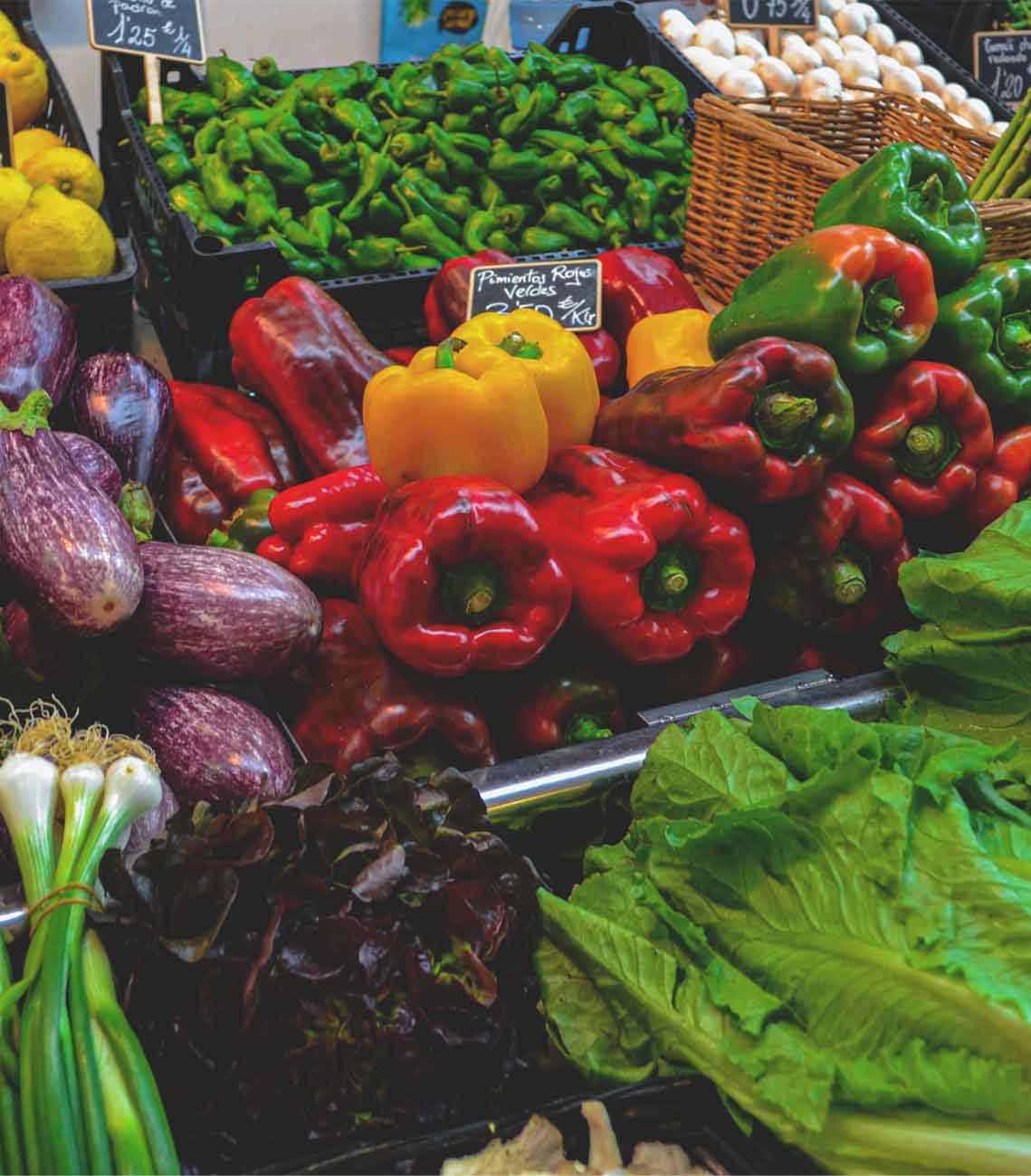
Vegetables, greens and fruit have their place in our kitchen. We prioritise seasonal, locally sourced produce, especially from the Valencia region, with the same care we give to our meats.
What comes to the table changes with the season.
- Seasonal
- Local
- Valencia region